
Lenticular Printing Explained: 3D, Flip, and Motion Effects in One Image
Lenticular Printing: Creating Dynamic Visual Experiences
Lenticular printing is a printing technology that creates images with an illusion of depth, movement, or transformation when viewed from different angles. It is used in advertising, packaging, and fine art because it turns a static surface into an interactive visual experience.
Historical context and origins
The concept of lenticular imagery dates back to the 1940s, when it was developed to create images that could animate or change as the viewer’s perspective shifted. Early lenticular products were often novelty objects such as postcards and bookmarks, but they established the core optical principle that later evolved into higher-resolution, digitally produced lenticular prints.
Stampa lenticolare
La stampa lenticolare usa un foglio “lenticolare” (una matrice di micro-lenti) per mostrare immagini diverse a seconda dell’angolo di visione, generando effetti di profondità o trasformazione. La tecnologia nasce nel secondo dopoguerra e diventa popolare anche con le cartoline lenticolari. Oggi la precisione è aumentata grazie al software di interlacciamento e a processi di stampa e laminazione più accurati.
The technology behind lenticular printing
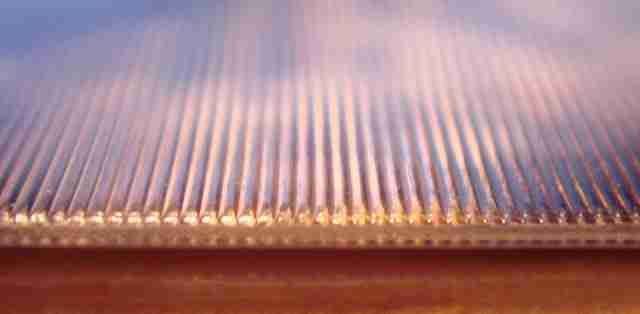
Lenticular printing combines image processing with an optical lens sheet. The workflow is simple to describe, but unforgiving in execution:
- Image preparation: choose a set of frames (for animation), two or more images (for flip), or a depth-separated composition (for 3D).
- Interlacing: slice the images into thin vertical strips and merge them into a single composite file in an exact sequence.
- Lenticular lens sheet: align the lens pitch (LPI) to the interlaced file so each micro-lens reveals the correct strip at each angle.
- Printing and lamination: print the interlaced image, then laminate to the lens sheet with precise registration.
- Viewing: as the angle changes, different strips are revealed, producing depth, motion, or transformation.
Types of lenticular effects
- 3D effect: creates the illusion of depth.
- Flip effect: alternates between two or more images.
- Animation effect: shows a sequence of frames as motion.
- Morph effect: gradually transforms one image into another.
- Zoom effect: simulates moving closer or farther away.
Applications
Advertising and marketing
Lenticular prints are used in posters, billboards, and point-of-purchase displays because they interrupt visual autopilot. A single surface can deliver multiple messages, or create a micro-narrative through motion.
Packaging
Lenticular labels and packaging can demonstrate product features, suggest usage, or simply increase shelf impact. The tactile and optical novelty encourages handling, which can matter in competitive retail environments.
Fine art
In art contexts, lenticular printing is interesting not only as an effect, but as a viewing contract. The image changes because the viewer moves. The body becomes part of the work’s logic: perception is activated, not assumed.
Collectibles and souvenirs
Trading cards, postcards, bookmarks, and small objects use lenticular effects to increase perceived value through interactivity and variation.
Lenticular printing for radiographic images
Lenticular lens approaches have also been explored in radiography for producing different views depending on the angle of observation, increasing the sense of depth and the readability of spatial information.
Advancements and future prospects
Digital printing and improved lens manufacturing have made lenticular work more accessible and more controllable. As AR and VR ecosystems mature, lenticular printing can also function as a bridge object: physical media that implies animation, layering, and viewpoint-dependence without needing a screen.
Conclusion
Lenticular printing sits at the intersection of optics, design, and attention. Whether used for 3D illusion, motion, or transformation, its key strength is simple: it makes viewing active. The image does not fully exist until the viewer moves.


