
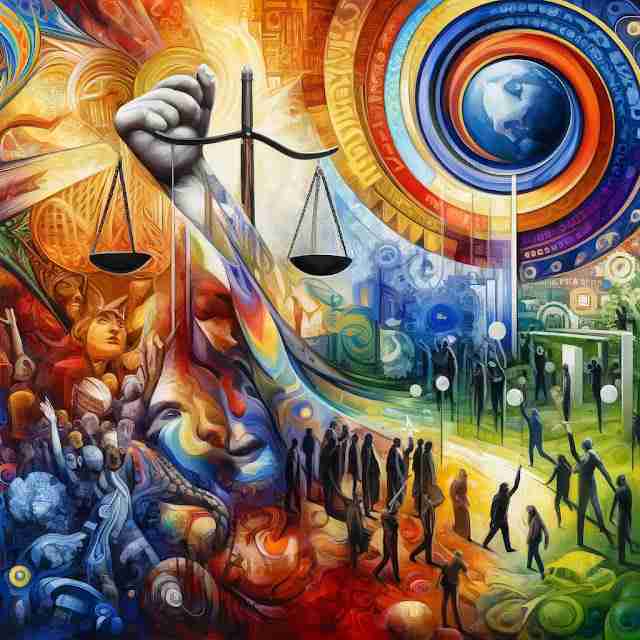
The Intersection of Art and Activism: Contemporary Art as a Platform for Social and Political Commentary
How Contemporary Artists are Shaping Social and Political Landscapes
Contemporary art has transcended the boundaries of traditional aesthetic concerns, evolving into a dynamic platform for social and political activism. Artists today are not just creators but also commentators, using their work to provoke thought, inspire action, and initiate conversations about pressing issues like inequality, human rights, and justice. This deepening relationship between art and activism is shaping the contours of contemporary art, making it an influential force in addressing and challenging societal norms and injustices.
The Historical Context: A Legacy of Resistance
The relationship between art and activism is deeply rooted in history. Artists have long used their work to resist oppression and advocate for change. The 20th century saw significant moments where art intersected with political movements:
1. Diego Rivera and Mexican Muralism: Rivera’s murals, filled with social and political messages, aimed to make art accessible to the masses and raise awareness about issues such as class struggle and workers’ rights.
2. The Harlem Renaissance: Artists like Aaron Douglas used their art to celebrate African American culture and address racial discrimination, fostering a sense of identity and community.
3. Dada and Surrealism: These movements emerged in response to the horrors of World War I, using absurdity and irrationality to critique societal norms and political institutions.
Contemporary Art as a Catalyst for Change
In the contemporary era, the role of art in activism has become even more pronounced, with artists tackling a wide array of social and political issues.
Raising Awareness and Education
One of the most significant roles of contemporary activist art is to raise awareness and educate the public. Art can communicate complex ideas and foster understanding in ways that traditional discourse often cannot.
Ai Weiwei: A prominent Chinese artist and activist, Ai Weiwei uses his art to criticize government policies and highlight human rights abuses. His installation “Sunflower Seeds” at the Tate Modern consisted of 100 million handmade porcelain seeds, symbolizing mass production and the loss of individuality. His documentary “Human Flow” brings attention to the global refugee crisis, urging viewers to consider the human impact of displacement and migration.
Jenny Holzer: Known for her text-based works, Holzer uses LED installations, posters, and projections to present provocative statements about war, violence, and oppression. Her “Truisms” series challenges viewers to reflect on societal issues and their own beliefs.
Creating Empathy and Connection
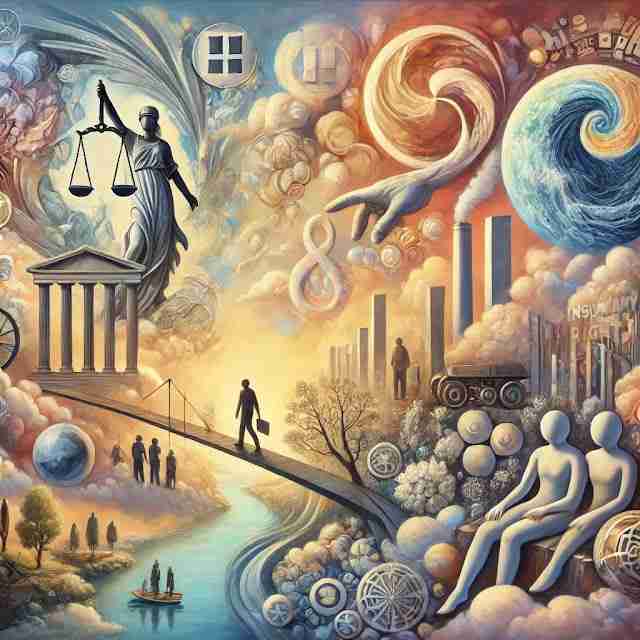
Art has the power to evoke empathy and create emotional connections, bridging the gap between diverse experiences and fostering solidarity.
Kara Walker: Walker’s work explores themes of race, gender, and history through intricate silhouettes. Her piece “A Subtlety, or the Marvelous Sugar Baby,” installed in the Domino Sugar Factory in Brooklyn, addressed the historical exploitation of African Americans and the legacy of slavery in the sugar industry.
El Anatsui: This Ghanaian artist transforms discarded materials into large-scale installations that comment on consumerism, waste, and the legacy of colonialism in Africa.
Providing a Platform for Marginalized Voices
Contemporary art often amplifies the voices of marginalized communities, challenging dominant narratives and advocating for social justice.
Kehinde Wiley: Known for his vibrant, large-scale portraits of African Americans, Wiley reimagines classical European portraiture to celebrate Black identity and challenge racial stereotypes.
Kent Monkman: An Indigenous Canadian artist of Cree ancestry, Monkman uses his art to critique colonialism and highlight Indigenous resilience through his alter ego, Miss Chief Eagle Testickle.
Prominent Themes in Activist Art
Inequality and Social Justice
Economic, racial, and gender inequality are recurring themes in contemporary activist art, with artists using their work to critique systemic injustices and advocate for equity.
The Guerrilla Girls: This anonymous collective of feminist artists uses humor and bold graphics to expose gender and racial disparities in the art world and beyond.
Banksy: The elusive street artist is known for politically charged graffiti and public installations, often addressing issues of poverty, inequality, and war using satire and dark humor.
Human Rights and Freedoms
Human rights abuses and the fight for freedom are central concerns for many contemporary artists, who use their work to highlight the plight of oppressed groups and advocate for justice.
Shirin Neshat: An Iranian artist living in exile, Neshat’s photography and video installations explore the complexities of gender and identity in Islamic societies.
Tania Bruguera: A Cuban performance artist, Bruguera uses her body and actions to address issues of censorship, migration, and human rights.
Environmental Justice
As environmental concerns become increasingly urgent, artists are using their work to advocate for sustainable practices and highlight the impact of human activity on the planet.
Olafur Eliasson: Eliasson creates large-scale installations addressing environmental issues. His project “Ice Watch,” placing ice blocks from Greenland in public spaces, served as a stark reminder of climate change.
Agnes Denes: A pioneer of ecological art, Denes’ work often involves large-scale land interventions, such as “Wheatfield – A Confrontation.”
The Role of New Media and Technology
New media and technology have transformed how activist art is created and disseminated, enabling artists to reach wider audiences and mobilize support for their causes.
Social Media and Digital Platforms
Social media platforms like Instagram, X, and TikTok have become essential tools for artists to share their work and engage with audiences, amplifying impact through rapid dissemination and viral potential.
JR: JR uses photography and street art to create large-scale public installations. His “Inside Out” project invites people worldwide to share portraits and stories, transforming them into public art.
Shepard Fairey: Known for the “HOPE” poster of Barack Obama, Fairey blends street art with political activism and uses digital platforms to mobilize civic participation.
Digital Art and Virtual Reality
Digital art and virtual reality (VR) offer immersive, interactive experiences that enable new forms of engagement with urgent political and social issues.
Marina Abramović: Abramović has embraced digital technologies to expand performance. Her VR piece “Rising” addresses climate change by immersing viewers in a virtual environment shaped by rising sea levels.
Refik Anadol: Anadol uses data and machine learning to create digital installations that visualize perception, memory, and the politics of information.
Challenges and Controversies
While the intersection of art and activism holds great potential, it also faces significant challenges. One major concern is commercialization: as the art market increasingly values politically charged works, there is a risk that the message may be diluted or co-opted for profit. Artists must navigate the tension between maintaining the integrity of their message and participating in a commercialized art world.
Another challenge is censorship and repression. In many parts of the world, artists face persecution, imprisonment, or violence for their activism. Governments and institutions may attempt to silence dissenting voices, making it dangerous for artists to speak out.
The Impact of Activist Art
The impact of activist art can be profound, both on an individual and societal level. Art can inspire personal reflection, spark conversations, and motivate collective action. It can also influence public policy and contribute to social movements. For example, the Black Lives Matter murals and installations that emerged in cities around the world following the murder of George Floyd played a significant role in raising awareness and galvanizing support.
Moreover, activist art can leave a lasting legacy, preserving the memory of social and political struggles for future generations. It stands as a testament to the power of creativity and resilience in the face of adversity, reminding us that art is not just a reflection of the world but a force for change.
The intersection of art and activism is a vibrant and essential aspect of contemporary art. By shedding light on issues like inequality, human rights, and justice, artists challenge the status quo and advocate for a more equitable and compassionate world. Through their work, they remind us that art is not a passive act of creation but a dynamic tool for activism and change.
Contemporary art, in its many forms and expressions, remains a powerful vehicle for social and political commentary. By engaging with the work of activist artists, we are invited to reflect on our own roles in society and consider how we might contribute to the creation of a more just and equitable world.
Related articles
- Ai Weiwei: Art as a Force for Social Change
- Jenny Holzer: Illuminating Truths with Neo-Conceptualism
- The Guerrilla Girls: Unseen Heroes Challenging Art World Inequality
- Banksy: The Enigmatic Street Artist Who Challenges Society
- Discovering the Art of Olafur Eliasson
- Refik Anadol: Blurring the Boundaries of Art, Data, and AI


