
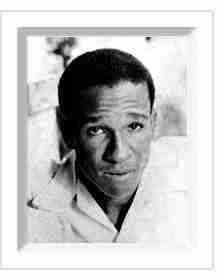
Wilson Bigaud: A Master of Haitian Naïve Art
Exploring the Life and Legacy of Wilson Bigaud
Wilson Bigaud (1931–2010) stands as a towering figure in Haitian art. He is renowned for vibrant, evocative paintings that capture the essence of Haitian culture. Associated with the Haitian Naïve tradition, Bigaud created images that feel both documentary and lyrical. His work is rooted in everyday life yet charged with spirituality, rhythm, and communal energy. This post delves into his life, artistic journey, and enduring legacy. It offers a clear view of why he remains central to Haitian art history.
Early Life and Artistic Beginnings
Born in Port-au-Prince, Haiti, Wilson Bigaud showed an early affinity for art. His development was deeply shaped by the artistic ecosystem of the capital. He was influenced by the Centre d’Art in Port-au-Prince (founded in 1944). This institution became a crucial catalyst for modern Haitian painting. Within that context, Bigaud refined his craft and began to articulate a distinctive approach. He depicted scenes of Haitian life with clarity, movement, and an unmistakable sense of celebration.
His early works stood out for their keen observation of both rural and urban existence. Markets, festivals, street encounters, and ceremonial gatherings appear not as generic “folklore,” but as lived realities. They are full of gesture, humor, labor, tenderness, and pride. This grounded attention to ordinary life became one of his signatures.
Artistic Style and Themes
Wilson Bigaud’s art is a celebration of Haitian culture and social choreography. His paintings are imbued with vibrant color and dynamic composition. They often organize crowds and events into rhythmic, story-like scenes. While frequently labeled “naïve,” his work is rarely simple. It shows compositional intelligence, narrative control, and a deep awareness of how people inhabit space together.
One defining dimension of Bigaud’s work is the presence of Vodou ritual and spirituality. In Haitian culture, Vodou is not a peripheral “theme,” but a structure of belief, community, and symbolism. It is intertwined with music, ceremony, and the cycles of daily life. Bigaud’s paintings approach these rituals with respect and familiarity. They depict them as cultural knowledge rather than spectacle.

Notable Works and Achievements
Among Wilson Bigaud’s most celebrated works is the mural Wedding Procession (1953), created for the Holy Trinity Cathedral in Port-au-Prince. Often cited as a landmark of Haitian modern art, this mural demonstrates Bigaud’s mastery of complex narrative. It is a collective scene rendered with detail, movement, and joy. Every figure seems to participate in the same pulse of communal life.
Throughout his career, Bigaud received recognition in Haiti and internationally, with works exhibited and collected widely. His paintings resonated with audiences because they balance accessibility with depth: you can enter them immediately through color and story, and then stay for the cultural detail, the ritual symbolism, and the psychological warmth of the scenes.
Legacy and Impact
Wilson Bigaud’s legacy extends far beyond his lifetime. He remains a key reference point for Haitian painting. His work preserves cultural memory without freezing it into nostalgia. His scenes feel alive—social, spiritual, musical—and offer a window into Haiti’s resilience and collective imagination.
For readers exploring Haitian art today, Bigaud’s paintings are a powerful reminder of what art can do: carry history, transmit identity, and honor community through images that remain vivid across generations.


